
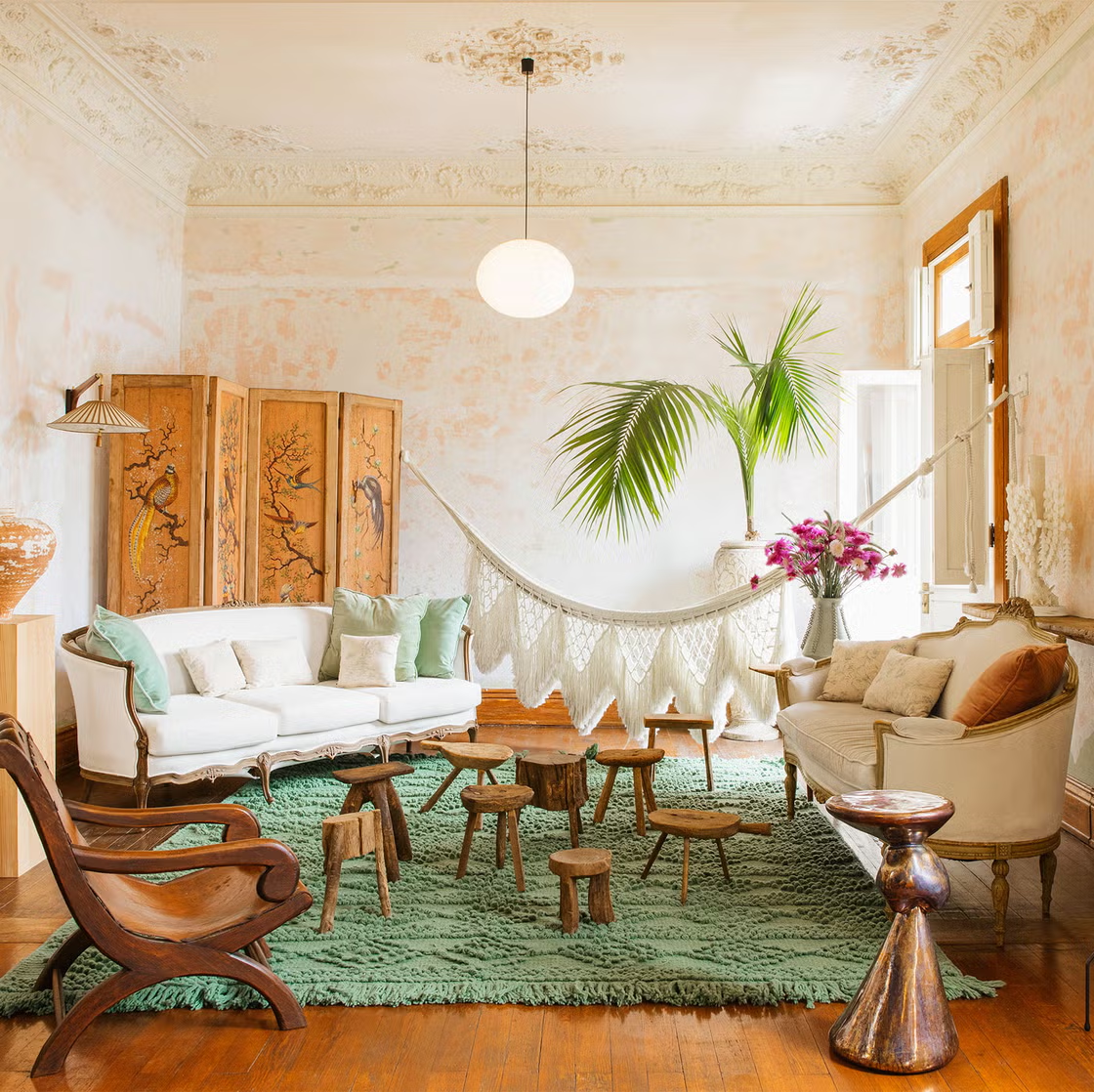
Your home is more than just a place to sleep. It reflects your personality, lifestyle, and the things that make you feel comfortable. Whether you live in a small apartment or a spacious house, the right home decor style can transform an ordinary room into a beautiful and welcoming space.
But with so many interior design trends available, how do you choose the right one? Should you go for the clean lines of modern decor, the relaxed atmosphere of bohemian interiors, the simplicity of minimalism, or the timeless charm of traditional design?
The good news is that you do not have to follow every trend to create a beautiful home. Understanding these four popular home decor styles can help you discover what works best for your space, budget, and personal taste.
In this guide, we will explore modern, boho, minimalist, and traditional home decor styles, including their key features, benefits, and practical decorating tips.
1. Modern Home Decor: Clean, Stylish, and Functional
Modern home decor is a popular choice for people who love clean spaces, simple shapes, and practical furniture. It focuses on functionality without sacrificing beauty. Every piece has a purpose, and unnecessary decoration is usually kept to a minimum.
This style often features neutral colors, geometric shapes, open layouts, and a combination of natural and industrial materials.
Key Features of Modern Interior Design
Modern interiors typically include:
- Neutral colors such as white, gray, beige, and black
- Clean lines and simple furniture designs
- Large windows that allow natural light inside
- Materials such as glass, metal, wood, and concrete
- Minimal accessories and uncluttered surfaces
- Statement lighting and contemporary artwork
For example, a modern living room might feature a gray sofa, a wooden coffee table, a simple floor lamp, and a large piece of abstract wall art.
How to Create a Modern Home
Start by choosing two or three main colors. White walls paired with wooden furniture and black accents can create a balanced, sophisticated appearance.
Next, select furniture with simple shapes and practical features. A sofa with clean lines or a dining table with a smooth finish can instantly improve the room’s overall look.
Lighting also plays an important role. Pendant lights, recessed lighting, and floor lamps can add character without making the space feel crowded.
Best for: Homeowners who prefer contemporary interiors, functional furniture, and a polished appearance.
2. Boho Home Decor: Relaxed, Colorful, and Full of Personality
Do you love natural textures, warm colors, plants, and unique decorative pieces? Bohemian, or boho, home decor might be the perfect match for you.
Boho interiors celebrate creativity and individuality. Instead of following strict design rules, this style combines different textures, patterns, colors, and materials to create a relaxed atmosphere.
Think of your home as a collection of stories, with every cushion, rug, and decorative object adding something personal.
Key Features of Bohemian Decor
Boho-style homes often include:
- Earthy colors such as terracotta, olive green, rust, and cream
- Natural materials like rattan, bamboo, jute, and wood
- Patterned rugs, embroidered cushions, and textured blankets
- Indoor plants and botanical decorations
- Handmade pottery and woven wall hangings
- Layered textiles and vintage accessories
The beauty of boho decor is that everything does not need to match perfectly. A vintage wooden chair can look wonderful beside a modern sofa when the colors and textures complement each other.
How to Create a Boho-Inspired Space
Begin with a comfortable foundation, such as a neutral sofa or a natural wood bed frame. Add colorful cushions, a textured rug, and a soft throw blanket to create warmth.
Indoor plants are another essential element. Place a few plants near windows, on shelves, or in woven baskets. If natural light is limited, choose suitable low-light plants or realistic artificial alternatives.
You can also introduce personality through handmade decorations, travel souvenirs, and artwork that means something to you.
However, avoid filling every available corner. Boho decor should feel collected and comfortable rather than messy.
Best for: Creative people who enjoy cozy rooms, natural materials, colorful accents, and personalized interiors.
3. Minimalist Home Decor: Simple, Calm, and Clutter-Free
Minimalist home decor follows a straightforward principle: less can be more. Instead of filling rooms with decorative objects and unnecessary furniture, this style focuses on essential items that serve a clear purpose.
The result is a peaceful environment where each piece has room to stand out.
Minimalism is especially useful for small apartments because it can make rooms feel more open, organized, and visually spacious.
Key Features of Minimalist Interiors
Common elements include:
- Neutral shades such as white, beige, gray, and soft brown
- Simple furniture with clean shapes
- Open surfaces and organized storage
- Limited decorative accessories
- Natural light and uncluttered layouts
- Quality materials and practical designs
Minimalist spaces do not have to look cold or empty. Warm wood, soft fabrics, textured rugs, and gentle lighting can make a simple room feel inviting.
How to Design a Minimalist Home
First, remove items you no longer use or need. You do not have to throw everything away; simply keep everyday essentials accessible and store occasional-use items neatly.
Choose multifunctional furniture whenever possible. A bed with built-in drawers, a storage ottoman, or a dining table with a compact design can help maintain a tidy appearance.
Stick to a limited color palette throughout the room. For example, combine cream walls, a beige sofa, light wood furniture, and a few black accents.
Finally, pay attention to quality rather than quantity. One attractive lamp or a carefully selected artwork can make a stronger impression than several unrelated accessories.
Best for: People who value organization, simple surroundings, easy maintenance, and a calm atmosphere.
4. Traditional Home Decor: Timeless, Elegant, and Comfortable
Traditional home decor draws inspiration from classic interior design. It often features elegant furniture, rich colors, detailed craftsmanship, and decorative accessories that never seem to go out of style.
Unlike highly contemporary interiors, traditional rooms tend to emphasize symmetry, familiar shapes, and a sense of history.
This style can make a home feel welcoming, established, and full of character.
Key Features of Traditional Interior Design
Traditional decor commonly includes:
- Classic wooden furniture with detailed finishes
- Rich shades such as navy, burgundy, forest green, and cream
- Decorative mirrors, framed artwork, and elegant lamps
- Patterned curtains, rugs, and upholstery
- Crown molding and other architectural details
- Symmetrical furniture arrangements
For example, a traditional living room might feature a wooden coffee table, a pair of matching lamps, patterned cushions, and framed artwork above a fireplace or console table.
How to Create a Traditional Look
Start with furniture that has classic proportions and durable materials. Wooden dining tables, upholstered armchairs, and timeless bed frames are excellent choices.
Use color carefully. Deep blue, warm brown, cream, and muted green can create a rich but balanced appearance.
Textiles also make a difference. Patterned curtains, elegant cushions, and traditional rugs can introduce visual interest without requiring a complete room makeover.
To keep the style from feeling outdated, combine classic furniture with modern lighting or a few simple accessories. This creates a traditional interior that feels comfortable for today’s lifestyle.
Best for: People who appreciate classic elegance, detailed craftsmanship, warm interiors, and timeless furniture.
5. Modern vs. Boho vs. Minimalist vs. Traditional: Which Style Is Right for You?
Each home decor style has its own personality. The right choice depends on how you live, what you enjoy, and the atmosphere you want to create.
Here is a quick comparison to help you decide.
| Decor Style | Main Characteristics | Popular Colors | Overall Feel |
|---|---|---|---|
| Modern | Clean lines and functional furniture | White, gray, black | Sleek and sophisticated |
| Boho | Layered textures and personal accessories | Terracotta, olive, cream | Relaxed and creative |
| Minimalist | Essential furniture and open spaces | Beige, white, soft gray | Calm and organized |
| Traditional | Classic furniture and decorative details | Navy, burgundy, brown | Elegant and welcoming |
If you enjoy technology-inspired spaces and contemporary furniture, modern decor may suit you best.
If you prefer colorful rooms filled with plants and meaningful objects, boho design is worth exploring.
Minimalism works well if you want less clutter and a simpler daily routine. Traditional decor is an excellent option if you love timeless furniture and classic details.
Remember, these styles are starting points rather than strict rules.
6. Budget-Friendly Tips for Decorating Your Home
Creating a beautiful home does not require an expensive renovation. A few thoughtful changes can make a noticeable difference.
Start with one room. Instead of decorating the entire house at once, choose a living room, bedroom, or dining area. This helps you manage your budget and understand which style you enjoy.
Rearrange your existing furniture. Sometimes, changing the position of your sofa, bed, or dining table can improve the room’s appearance without costing anything.
Use paint strategically. A fresh coat of paint can transform a room. Choose a color that complements your furniture and the amount of natural light available.
Add affordable accessories. Cushion covers, curtains, lampshades, rugs, and wall art can introduce a new style without replacing major furniture pieces.
Shop secondhand. Vintage shops, local markets, and resale platforms can offer attractive furniture and decorative pieces at reasonable prices.
Mix styles thoughtfully. You can combine modern furniture with boho textiles or traditional wooden pieces with minimalist accessories. Keep a consistent color palette to make the combination feel intentional.
The secret is to spend money on pieces you use regularly and save on decorative items that you can easily change later.
7. Common Home Decor Mistakes to Avoid
Even attractive furniture can look out of place when the overall design lacks balance. Fortunately, a few simple adjustments can help you avoid common decorating mistakes.
One frequent mistake is buying furniture before measuring the room. A sofa that looks perfect in a showroom may overwhelm a small living room. Always measure your space, doorways, and furniture before purchasing large items.
Another problem is using too many colors, patterns, or decorative accessories at once. You can certainly mix different elements, but repeating a few colors throughout the room helps create visual harmony.
Lighting is equally important. Depending entirely on one overhead light can make a room feel flat. Combine natural light with floor lamps, table lamps, or wall lighting where practical.
Finally, do not choose a decor style simply because it is trending. Your home should support your everyday routine and reflect your preferences. A beautiful room that feels uncomfortable to use is unlikely to remain satisfying for long.
Conclusion
Choosing the best home decor style becomes easier when you understand what each option offers. Modern decor provides clean lines and contemporary functionality, boho interiors celebrate creativity and natural textures, minimalist design creates calm through simplicity, and traditional decor delivers timeless elegance. You can choose one style for your entire home or combine elements from different approaches to create something personal. Start with the room you use most, work within your budget, and focus on colors, furniture, lighting, and accessories that make you feel comfortable. After all, the best home decor is not about following every trend; it is about creating a space that feels like home.