
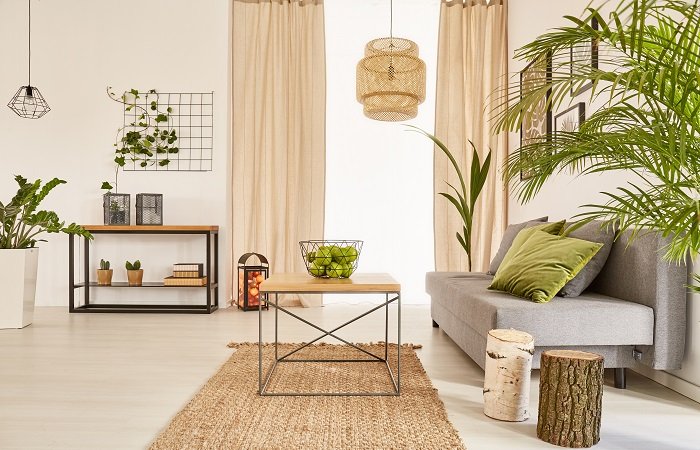
You don’t need a huge budget, a designer house, or a complete renovation to make your home look stylish. Sometimes, a few thoughtful changes can completely transform the way a room feels. Think of your home like a blank canvas: the walls, furniture, lighting, colors, and little decorative details are the brushstrokes that create the final picture.
If your home feels a little plain or outdated, don’t worry. You can refresh it without tearing everything apart. From rearranging furniture to adding greenery, these simple home decor ideas can help you create a space that feels warmer, more personal, and effortlessly stylish.
1. Start With a Good Furniture Arrangement
Before buying anything new, take a fresh look at the furniture you already own. Is your sofa pushed against the wall simply because that’s where it has always been? Try moving it.
A smart furniture arrangement can instantly make a room feel larger and more organized. Create comfortable conversation areas instead of lining every piece of furniture around the walls. In a living room, for example, position your sofa and chairs so they face one another naturally.
Don’t be afraid to experiment. Move things around, walk through the room, and see what feels right. Sometimes the best decor upgrade costs absolutely nothing.
2. Add Plants for a Fresh Touch
Plants are one of the easiest ways to make a home feel alive. Their natural shapes and textures soften rooms that might otherwise look too rigid or plain.
You don’t need to turn your living room into a jungle. A tall plant beside a sofa, a small plant on a bookshelf, or a few herbs near a kitchen window can make a noticeable difference.
If you’re not good at keeping plants alive, choose low-maintenance varieties or quality artificial plants. The goal is to introduce natural-looking texture and freshness, not create another household chore.
3. Upgrade Your Lighting
Good lighting can completely change the personality of a room. Why does the same space sometimes look cozy at night but dull during the day? Lighting is often the answer.
Instead of relying on one bright ceiling light, layer your lighting. Use a floor lamp beside a reading chair, a table lamp on a console, or small accent lights on shelves.
Warm-toned bulbs can create a comfortable atmosphere in living rooms and bedrooms, while brighter lighting may work better in kitchens and work areas.
Think of lighting as jewelry for your home. The room may already look good, but the right fixture can give it that finishing touch.
4. Use Decorative Cushions and Throws
Want an inexpensive way to refresh your sofa? Change the cushions.
Decorative pillows and throws allow you to introduce new colors, patterns, and textures without replacing expensive furniture. You could use neutral cushions with one or two patterned pillows for a balanced look.
Throws also make a room feel more inviting. Drape one casually over a sofa or chair rather than folding it perfectly.
The trick is not to use too many competing patterns. Choose colors that connect with other elements in the room, such as your curtains, rug, artwork, or wall color.
5. Create a Gallery Wall
Empty walls can make a home feel unfinished. A gallery wall gives them personality while allowing you to display things you genuinely enjoy.
You can combine framed photographs, artwork, illustrations, mirrors, or decorative prints. They don’t all need to match perfectly. In fact, a little variety can make the arrangement more interesting.
Before putting holes in the wall, lay your frames on the floor and experiment with different arrangements. You can even cut paper shapes the size of your frames and tape them to the wall first.
This simple step can save you from turning your wall into a collection of accidental nail holes.
6. Bring in a Stylish Area Rug
An area rug can visually connect the furniture in a room and make the entire space feel more complete. It also adds warmth and texture underfoot.
When choosing a rug, consider the size carefully. A rug that is too small can make a large room feel disconnected. Ideally, important furniture pieces should sit partly or fully on the rug, depending on the room and layout.
Neutral rugs work well when your furniture already has strong colors. If your furniture is simple, a patterned rug can become the room’s focal point.
It’s almost like adding punctuation to a sentence—the room might work without it, but the right rug helps everything come together.
7. Declutter Your Surfaces
Stylish homes aren’t necessarily filled with expensive objects. They are often simply well edited.
Look at your coffee table, kitchen counters, shelves, and bedside tables. Do you really need everything currently sitting there?
Remove items you don’t use or love. Then arrange a few meaningful pieces, such as a small vase, candle, book, bowl, or decorative object.
Try the “less but better” approach. Leaving some empty space allows the things you choose to display to stand out instead of getting lost in visual clutter.
8. Add Mirrors to Make Rooms Feel Bigger
Mirrors aren’t just practical; they can also be powerful decorating tools. A strategically placed mirror can reflect light and make a room appear brighter and more spacious.
Try placing a mirror opposite a window to reflect natural light. In a narrow hallway, a large mirror can also make the area feel less confined.
Choose a frame that matches the personality of your room. A simple frame works beautifully in modern interiors, while an ornate frame can add character to a traditional or eclectic space.
Even one well-positioned mirror can make a surprisingly big difference.
9. Mix Textures, Not Just Colors
If your room has the right colors but still feels boring, the problem may be texture.
Mix smooth, soft, rough, and natural materials to create visual depth. For example, pair a soft fabric sofa with a wooden coffee table, a woven basket, a textured rug, and a ceramic vase.
Why does this work? Different textures catch light differently and give the eye more to explore.
You don’t need dozens of decorative pieces. A handful of contrasting materials can make a simple room feel much richer and more sophisticated.
10. Personalize Your Decor
Finally, make sure your home actually feels like yours.
Trendy furniture and beautiful accessories are great, but a stylish home shouldn’t look like a showroom. Add objects that have a story behind them. Display travel souvenirs, family photographs, favorite books, artwork you love, or handmade pieces.
Personal touches give a room character. They tell visitors something about the people who live there.
And don’t worry about following every interior design trend. Trends come and go, but your personal style can last much longer.
How to Make Your Home Look Stylish on a Budget
You don’t have to spend a fortune to improve your home’s appearance. Start with changes that cost little or nothing.
Rearrange furniture, remove clutter, change cushion covers, move artwork, clean your windows, and improve your lighting. Once you’ve made those changes, decide which areas actually need new purchases.
When you do shop, focus on versatile pieces that can work in multiple rooms. A beautiful lamp, quality rug, decorative mirror, or set of cushions can have more impact than a pile of small accessories.
Remember, stylish decorating is less about how much you spend and more about how thoughtfully you use what you have.
Conclusion
Creating a stylish home doesn’t have to be complicated. A better furniture arrangement, a few plants, layered lighting, decorative cushions, mirrors, rugs, and personal accessories can completely change the atmosphere of your space. The best part? You can make these improvements gradually instead of doing everything at once.
Start with one room and choose one or two ideas from this list. Move things around, experiment with textures, remove unnecessary clutter, and let your personality show. Your home doesn’t need to look perfect—it simply needs to feel comfortable, welcoming, and unmistakably yours.